


Un bon cuir est fait pour être utilisé.
Il connaîtra l'eau, le soleil, les matins froids et les longues journées passées dehors. Il portera les traces de ces aventures. C'est ce qui fait son caractère.
Avec les bons soins, il ne s'usera pas. Il développera une riche patine.
Ce guide vous aidera à prendre soin de votre équipement en cuir et à mieux comprendre les matériaux que nous utilisons.
Comment prendre soin de votre équipement en cuir
Le cuir demande peu d'entretien, mais quelques habitudes simples feront toute la différence.
Gardez-le au sec après utilisation
Après une journée sur l'eau ou passée à l'extérieur, essuyez simplement votre équipement à l'aide d'un chiffon doux.
S'il est mouillé, laissez-le sécher naturellement avant de le ranger. Évitez toute source de chaleur directe, qui pourrait dessécher le cuir trop rapidement et le faire durcir.
Nourrissez-le lorsque nécessaire
Nous recommandons d'utiliser le conditionneur pour cuir Canadian Beeseal quelques fois par année, selon la fréquence d'utilisation de votre équipement.
À l'aide d'un chiffon doux, appliquez une petite quantité de produit en effectuant de légers mouvements circulaires. Laissez le cuir absorber le conditionneur, puis essuyez l'excédent avant de ranger votre équipement.
Laissez-le vieillir
Les marques et les traces d'usure ne sont pas des défauts. Elles font partie de l'histoire du cuir.
Avec le temps, un bon cuir développe une riche patine qui reflète les endroits où il a été utilisé et les aventures qu'il a vécues.
À propos de la peau de mouton
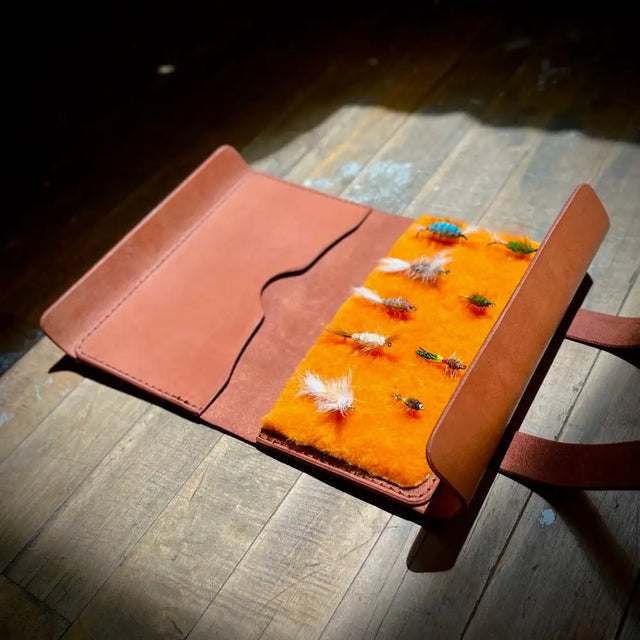
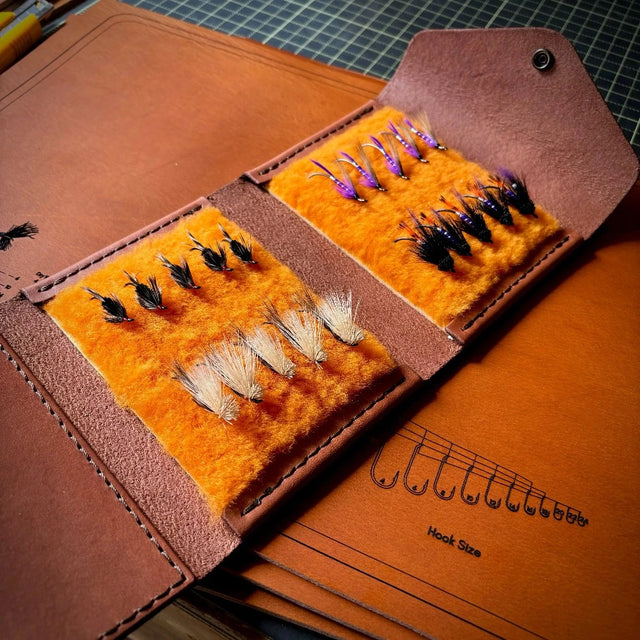
Certaines de nos pochettes à mouches sont doublées de peau de mouton tannée à l'écorce.
Il ne s'agit ni d'une imitation ni d'une fibre synthétique, mais d'un matériau naturel qui conserve sa douceur et sa structure au fil du temps.
Elle demande très peu d'entretien. Si elle devient humide, laissez-la sécher naturellement à l'air libre. Évitez de la comprimer lorsqu'elle est mouillée afin qu'elle conserve son gonflant et son toucher.
Comme le cuir, elle développera son caractère au fil des années tout en conservant toutes ses qualités.
Comprendre les différents types de cuir
Chaque cuir possède ses propres caractéristiques, son toucher et ses usages.
Cuir pleine fleur
Le cuir pleine fleur est la qualité la plus élevée disponible. Il conserve toute la couche supérieure de la peau, avec son grain naturel, ses marques et son caractère.
Il est solide, durable et développe une riche patine avec le temps. C'est le cuir que nous utilisons pour la majorité des produits Timber&Fins.
Cuir à tannage végétal
Le cuir à tannage végétal est tanné à l'aide de tanins naturels provenant notamment de l'écorce et des plantes.
D'abord plus ferme, il s'assouplit avec l'usage et développe progressivement davantage de profondeur et de caractère. Cette méthode traditionnelle est largement utilisée en maroquinerie pour la qualité et la durabilité du cuir qu'elle produit.
Cuir tanné au chrome
Le cuir tanné au chrome est traité à l'aide de sels de chrome, ce qui lui confère une plus grande souplesse et une meilleure flexibilité.
Il existe d'excellents cuirs tannés au chrome, particulièrement appréciés lorsque la souplesse et la résistance à l'eau sont recherchées. Cette méthode de tannage est également plus rapide et largement utilisée dans l'industrie.
Fait pour être utilisé
Chaque produit Timber&Fins est fabriqué à la main dans notre atelier de Montréal à partir de matériaux soigneusement sélectionnés pour leurs performances en conditions réelles.
Sur l'eau. Sur le terrain. Avec le temps.
Prenez-en soin et il prendra soin de vous.
Mentionné dans cet article
Plus d’articles

L'Artisanat Derrière Timber&Fins : Un Regard au Cœur de Nos Produits Faits Main

Qu’est-ce qui fait un bon portefeuille à mouches (après des années à les utiliser)
-

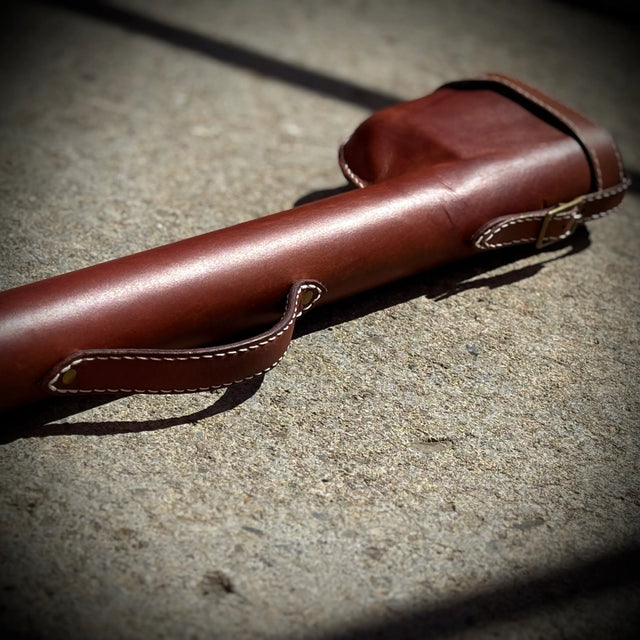
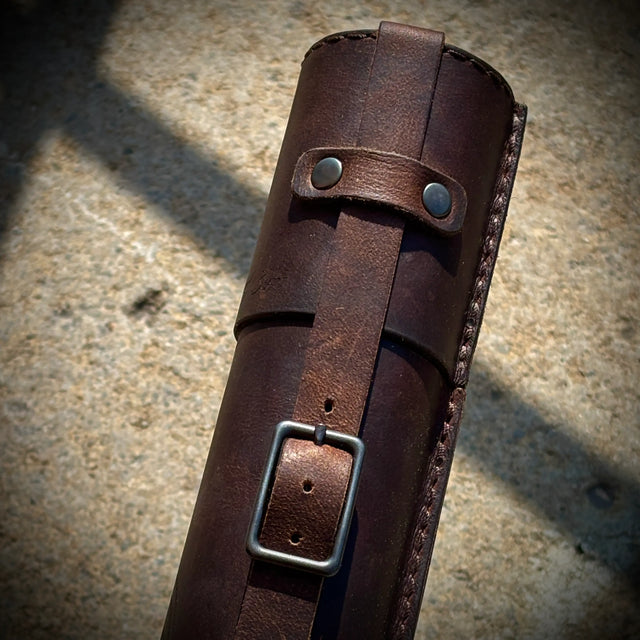
Étui pour canne à pêche et moulinet
De $425.00( / ) -

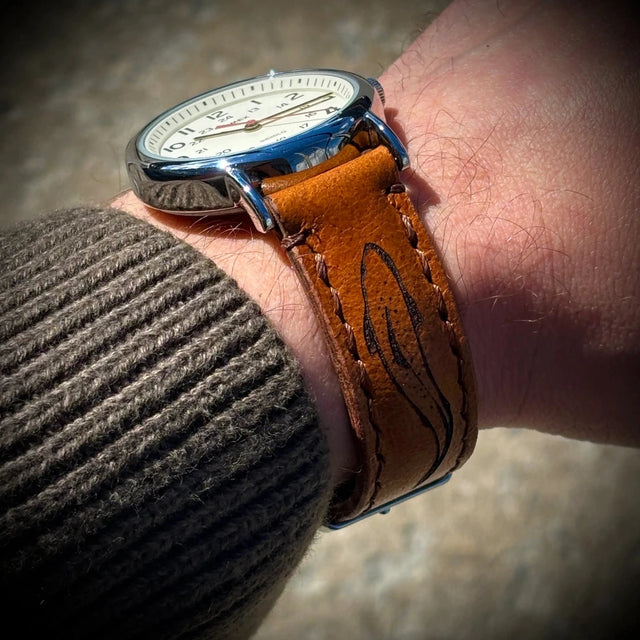
Bracelet de montre en cuir de buffle
$135.00( / ) -

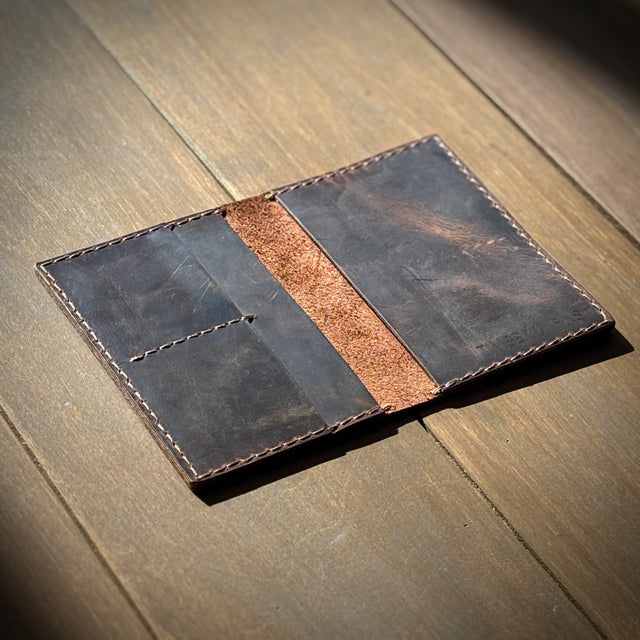 1 en stock
Porte-passeport — Cuir S.B. Foot
$130.00( / ) -

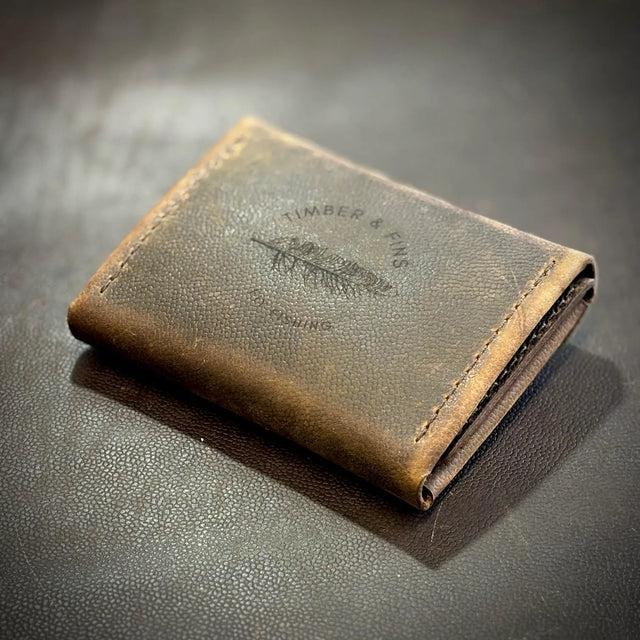 3 en stock
Portefeuille à mouches Explorer — Horween
$180.00( / ) -

 $165.00( / )
 -

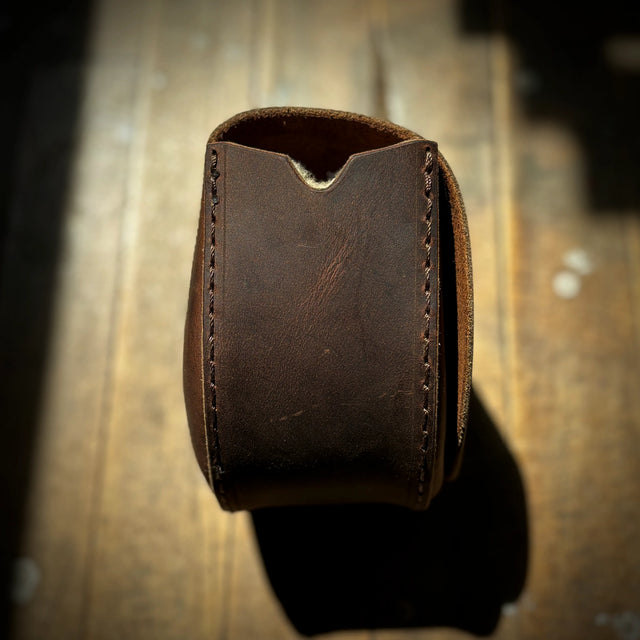
Étui à moulinet édition limitée – Cuir Hillbilly S.B. Foot
De $170.00( / ) -

 4 en stock$320.00( / )
 -

 3 en stock
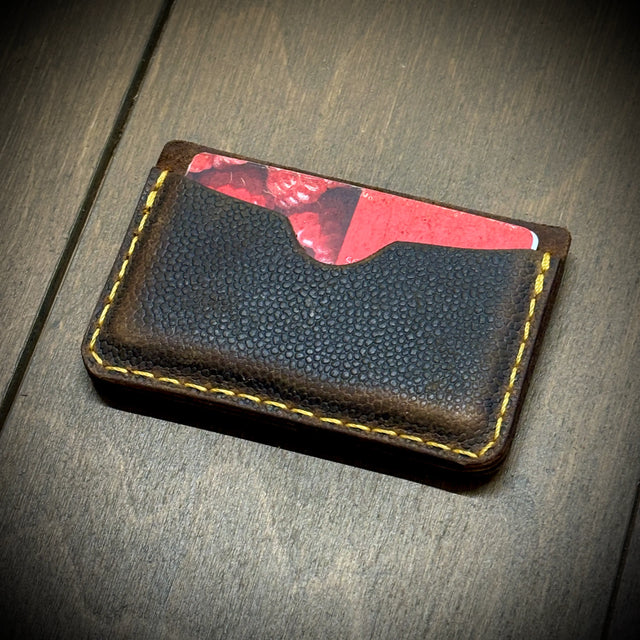
Portefeuille Minimaliste Horween
$90.00( / ) -

Portefeuille à mouches Explorer — Standard
$160.00( / ) -

 4 en stock$350.00( / )
 -

 2 en stock
Portefeuille bifold Grizzly Brown
$120.00( / ) -

 $35.00( / )


